// FILE 03
Facts over fear: why psychological safety is often a dangerous lie

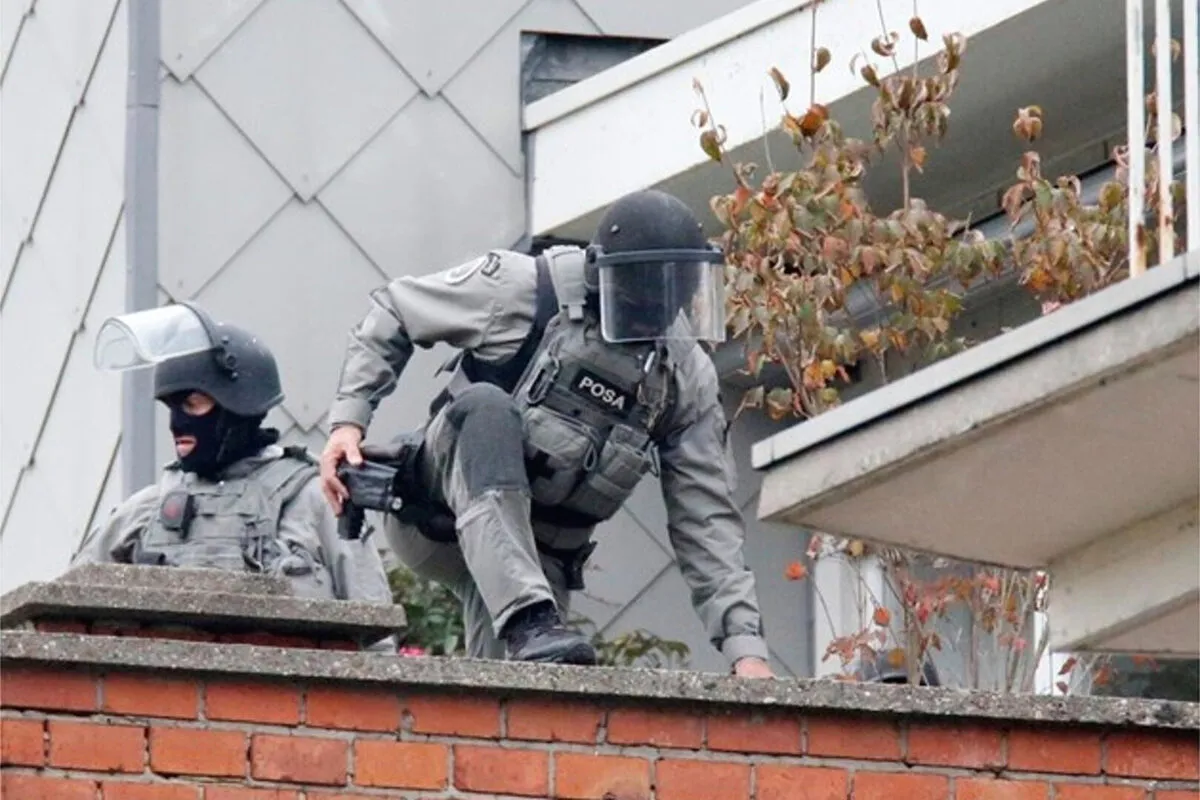
In the corporate world, “psychological safety” has become a synonym for being nice. Leaders are told to create environments where everyone feels comfortable and unchallenged.
In my world, that kind of “niceness” is a liability. Niceness is often a mask for cowardice, used to avoid the friction required for growth. Real respect protects the mission. Feelings come after that.
If a team leader drafts an assault plan and an operator spots a tactical flaw, he puts it on the table immediately. In a special forces team, individual ego is a casualty, starting with the leader. The commander is the first servant of the standard and the first to be torn apart in a debrief if he fails it.
If I cannot be corrected, I have no right to lead. We look at the objective with fifteen sets of eyes, and everyone is hunting for the best solution, regardless of who brought it in. Prove me wrong if you can.
Real safety doesn’t come from the absence of conflict. It comes from the absolute certainty of the standard.
You don’t need a “safe space.” You need a “standard space”: an environment where truth and professionalism are the only currency. That is cohesion, not connection.
The compassion trap: 6/10 is your new 10/10
Most leaders I meet are terrified that enforcing high standards will destroy morale. They avoid friction because they want to be “compassionate.”
But here is what actually happens: nothing kills the spirit of a top performer faster than the tolerance of mediocrity.
When you tolerate a 6/10 performance to keep the peace, you have just told your elite that their discipline is optional. Sparing the underperformer betrays your best people. You’re telling them that excellence doesn’t actually matter.
In the boardroom, mistakes might not leave bodies on the ground, but they leave bankruptcies, layoffs, and destroyed careers in their wake. That is the cost of your 6/10 tolerance, and it compounds with the consensus tax. In a high-performance unit, the standard is the leader. If you meet it, you’re in. If you don’t, you’re ballast. That is radical clarity.
If you accept 6/10, that becomes your new 10/10.
The HRO mindset: obsess over the near-miss
In the special forces, we didn’t just celebrate when a mission went well. We were obsessed with why it almost went wrong. We call this a preoccupation with failure, a core principle of high-reliability organizations (HRO).
In business, the tendency is to sweep “small” mistakes under the rug to keep the atmosphere positive. That is bad intel. A small mistake is just a disaster that hasn’t finished growing yet.
To install a real backbone, you need to shift the structure:
Expertise over rank. In the heat of a mission, the person with the most data wins the argument. Salary and rank carry no weight there. If an intern sees a flaw the CEO missed, the intern is the authority. The mission has no room for seniority when the logic is flawed. Period.
The debrief is sacred. A mistake that isn’t debriefed is an investment without a return. We look for the defect in the standard, not for someone to blame. A mistake made once is a lesson. A mistake made twice is a choice.
Stop managing on hope
We don’t rise to the level of our goals, we fall to the level of our standards. If you haven’t defined your standard in writing, how you communicate and how you execute, then you have no right to be disappointed when people miss it.
You haven’t led, you’ve just wished.
Facts over fear means choosing the uncomfortable truth over the comfortable lie. Clarity is the highest form of respect you can show your team. Knowing exactly what is expected: that is what creates real safety.
If you tolerate mediocrity, you have no standard. If you have no standard, you have no backbone.
The standard is not the ceiling. It is the floor.
Stop the waste. Face the facts. No excuses. The standard is the standard.